Soft Blue Curve Pattern Review
First Impressions of Soft Blue Curve Pattern
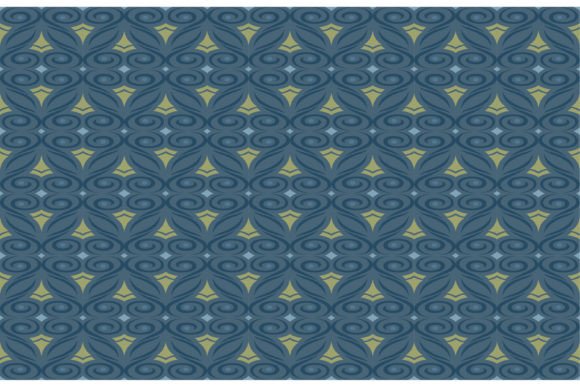
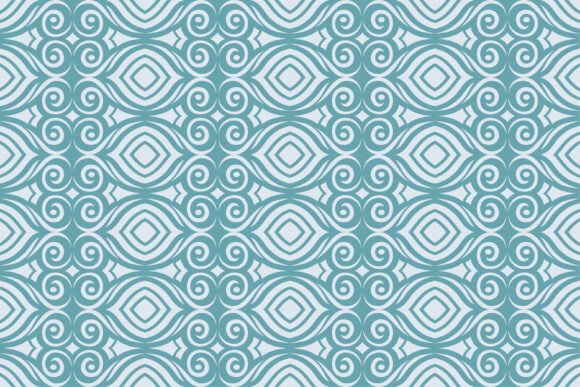
The Soft Blue Curve Pattern immediately catches the eye with its elegant, flowing lines and subtle color variations. The design feels modern yet timeless, making it a versatile choice for a wide range of embroidery projects. Its multicolored monochrome blue palette adds depth without overwhelming the viewer, while the symmetrical shapes suggest balance and harmony.
This pattern seems to evoke a sense of calm and sophistication, perfect for products that aim to convey a refined aesthetic. It’s ideal for items like tote bags, baby clothes, or holiday gifts where a soft, artistic touch can elevate the overall look.
Real-Life Use Cases for Soft Blue Curve Pattern
Imagine preparing a custom embroidered tote bag for a client who wants something unique yet professional. Soft Blue Curve Pattern could be an excellent fit—its clean lines and gentle curves would add visual interest without being too busy. When stitched onto cotton or canvas, the design would stand out nicely, offering a subtle but stylish finish.
For a sweatshirt embroidery project, this pattern could work well as a background texture or as a central motif. The high-resolution file ensures that even small details remain sharp, which is essential when working on apparel that will be seen up close.
In the realm of baby items, such as onesies or blankets, the softness of the design aligns well with the intended use. It could also serve as a decorative element on aprons, pillow covers, or kitchen towels, adding a touch of elegance to everyday household items.
Performance in Different Embroidery Situations
Soft Blue Curve Pattern performs well on most standard fabrics, especially those with a smooth surface. However, it may require extra attention when used on textured or stretchy materials. The design’s symmetry and balanced layout make it suitable for most hoop sizes, though very small hoops might struggle with the more intricate sections.
When considering fabric types, the pattern works best on light-colored materials where the multicolored blue hues can shine. On dark fabrics, the contrast may be less striking, so testing the design on a sample swatch is always a good idea before committing to a larger project.
For curved surfaces like caps or hats, the design may need some adjustment to ensure proper placement and stitching accuracy. Similarly, if the design includes detailed corners or tiny elements, these areas should be closely inspected to avoid distortion during the embroidery process.
Where to Use Soft Blue Curve Pattern Carefully
While the Soft Blue Curve Pattern is generally easy to work with, there are certain scenarios where caution is advised. Small hoop sizes may not accommodate the full design, leading to potential stitching issues or incomplete results. For complex projects, it’s better to use a larger hoop to ensure all elements are properly covered.
On thin or stretchy fabrics, the design might not hold up as well due to the risk of puckering or distortion. Using the right stabilizer can help mitigate these issues, but it’s still worth testing first. Additionally, if the design includes dense stitch areas, the thread colors should be carefully chosen to prevent color bleeding or visibility problems.
For commercial embroidery projects, it’s important to confirm the licensing terms before using the design for resale. This ensures that the finished product meets legal and ethical standards, especially when selling to customers or on platforms like Etsy.
Impact on Visual Appeal and Customer Perception
Soft Blue Curve Pattern has the potential to significantly enhance the visual appeal of any embroidery project. Its balanced composition and soft color scheme make it highly adaptable, allowing it to blend seamlessly into various product styles. Whether used as a standalone design or as part of a larger piece, it adds a level of sophistication that can elevate the perceived value of a handmade product.
From a customer perspective, this design can foster trust and engagement. A well-executed embroidery project with a thoughtful design like Soft Blue Curve Pattern can create a stronger emotional connection with buyers, increasing the likelihood of repeat purchases and positive reviews.
For small business owners and crafters, this pattern offers a reliable option for branding and product consistency. It can be used across multiple items, ensuring a cohesive look that reinforces brand identity and recognition.
Practical Tips for Embroidery Designers
Before finalizing any project with Soft Blue Curve Pattern, it’s wise to test the design on scrap fabric. This helps identify any potential issues with stitch density, thread color contrast, or fabric compatibility. Checking the design in black and white mockups can also provide insight into how it will appear on different backgrounds.
When working with digital embroidery files, ensure that the design is compatible with your machine and software. Confirming the hoop size and stitch count can save time and prevent errors during the actual embroidery process.
For commercial use, always verify the licensing information provided with the design. This step is crucial for maintaining professionalism and avoiding legal complications down the line.
Final Thoughts on Soft Blue Curve Pattern
Soft Blue Curve Pattern is a solid choice for embroidery designers looking for a versatile, visually appealing design. Its balanced layout, soft color palette, and symmetrical shapes make it suitable for a wide range of projects, from custom apparel to personalized gifts.
Whether you’re an Etsy seller, a small shop owner, or a hobbyist, this pattern offers practical value and creative flexibility. With proper preparation and attention to detail, it can become a valuable addition to your design assets and help you create beautiful, professional-looking finished products.