Spring Seamless Pattern Review
As an embroidery designer and product reviewer, I often find myself evaluating new designs with a critical eye—especially when they’re meant for real-world use. The Spring Seamless Pattern caught my attention not just for its aesthetic appeal, but for how it could translate into practical, high-quality projects. Let’s break down what this design offers and where it truly shines.
The First Impression: A Fresh Start
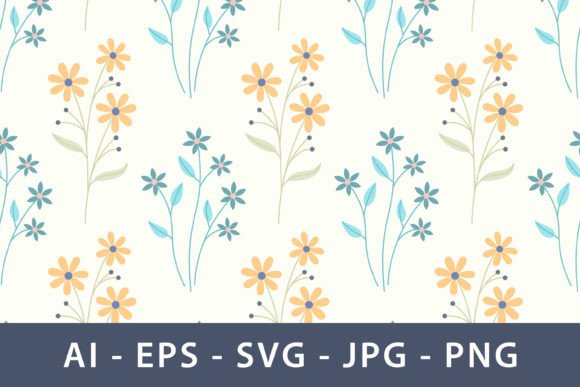
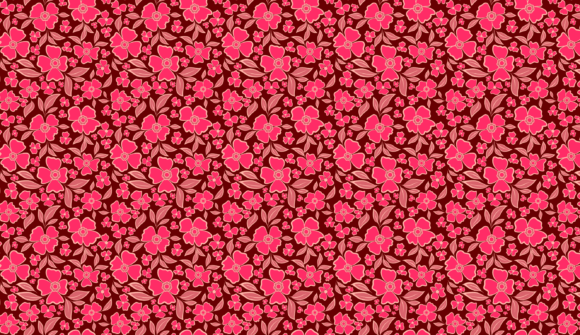
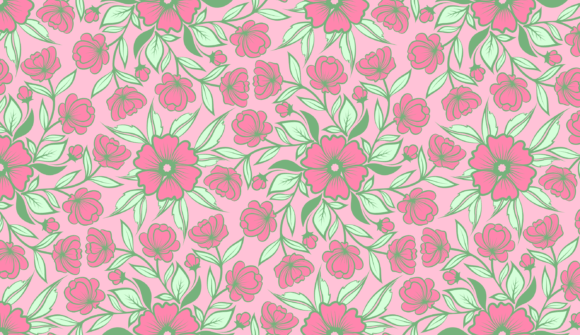
From the moment I opened the Spring Seamless Pattern, it felt like a breath of fresh air. The pink and green shades are soft yet vibrant, evoking the gentle awakening of spring. The seamless layout gives it a clean, cohesive feel that works well for both small and larger projects. It’s not overly busy, which is a big plus for those looking to add a subtle touch of nature to their work.
The floral elements are arranged in a way that feels natural, not forced. This makes it ideal for items like tote bags, baby clothes, or even holiday gifts. The overall mood is calm and inviting, making it perfect for products aimed at a more refined, eco-conscious audience.
Real-Life Use Cases: Where It Fits Best
I’ve used the Spring Seamless Pattern on a custom embroidered tote bag for a client who wanted something unique for her boutique. The design looked great on a light-colored cotton fabric, and the stitch density was just right—not too heavy, not too light. It added a nice visual element without overwhelming the fabric.
It also worked well on a sweatshirt design, where the pattern was placed on the back. The pink and green hues stood out nicely against the white background, and the seamless flow made it look like a professional-grade design. For a handmade shop owner, this could be a strong selling point—especially if paired with other spring-themed items.
On baby items, like onesies and blankets, the design provided a gentle, elegant touch. It wasn’t too intricate, which is important for items that need to be washed frequently. The pattern also translated well onto patches, where it maintained its clarity even at smaller sizes.
Where to Be Careful: Limitations and Considerations
While the Spring Seamless Pattern is versatile, there are some situations where it might not perform as well. On small hoop sizes, the details can get lost, so it’s best to avoid using it on very compact areas. If you’re planning to embroider on textured fabrics or thin materials, you may need to adjust your stabilizer and thread choices to ensure the design stays crisp.
For dark fabrics, the pink and green tones might not show up as clearly, so testing on a sample is essential. Similarly, on stretchy or curved surfaces like caps, the design may require additional support to prevent distortion during stitching.
If you're working with detailed corners or tiny lettering, this pattern might not be the best choice. Its seamless nature means it’s better suited for continuous patterns rather than individual elements that need sharp definition.
Impact on Visual Appeal and Customer Perception
The Spring Seamless Pattern adds a sense of quality and care to any project. When used on a finished product, it elevates the visual appeal and makes the item more desirable. For an Etsy seller or small business owner, this can mean higher customer satisfaction and better reviews.
It also helps in building brand consistency. If your shop has a theme centered around nature or springtime, this design fits seamlessly into that aesthetic. It can be used across multiple product lines, from apparel to home decor, creating a cohesive look that customers will recognize.
When it comes to giftability, the Spring Seamless Pattern is a safe bet. It’s elegant enough for a wedding gift, yet simple enough for a personalized gift for a friend or family member. The design’s versatility makes it a go-to for creative entrepreneurs looking to offer something unique.
Practical Designer Notes: What to Check Before Using
Before committing to a project, I always recommend testing the Spring Seamless Pattern on scrap fabric. This helps you see how the colors interact with different materials and how the stitches behave. It’s also a good idea to check the thread color contrast—especially if you’re using non-standard colors.
Reviewing the stitch density is crucial. If it’s too dense, it might cause the fabric to pucker or the design to look cluttered. Confirming the correct hoop size is another step that shouldn’t be skipped. The pattern may require a medium to large hoop depending on the placement.
Inspecting small details is important, especially if you plan to use it on items like baby clothes or personal accessories. Testing it in black and white mockups can help you see how the design looks without color, which is useful for printable mockups or digital product previews.
Finally, make sure the design works for both personal and commercial use. While the Spring Seamless Pattern seems suitable for most applications, always confirm the licensing terms before selling finished items or digital products.
Final Thoughts: A Versatile and Elegant Choice
The Spring Seamless Pattern is a solid addition to any embroidery designer’s toolkit. It’s beautiful, functional, and adaptable to a wide range of projects. Whether you’re creating custom apparel, personalized gifts, or small shop merchandise, this design has the potential to elevate your work and attract a loyal customer base.
With a little care and consideration, the Spring Seamless Pattern can become a staple in your collection of machine embroidery designs. It’s a great example of how thoughtful design can translate into real-world success for crafters, sellers, and makers alike.